
Autumn Seminar 4 (12/11/2026): The First Crusade!
For the third seminar of the Autumn series of The Long Middle Ages, we welcome Jordi Teixidó and Stephanie Strand.
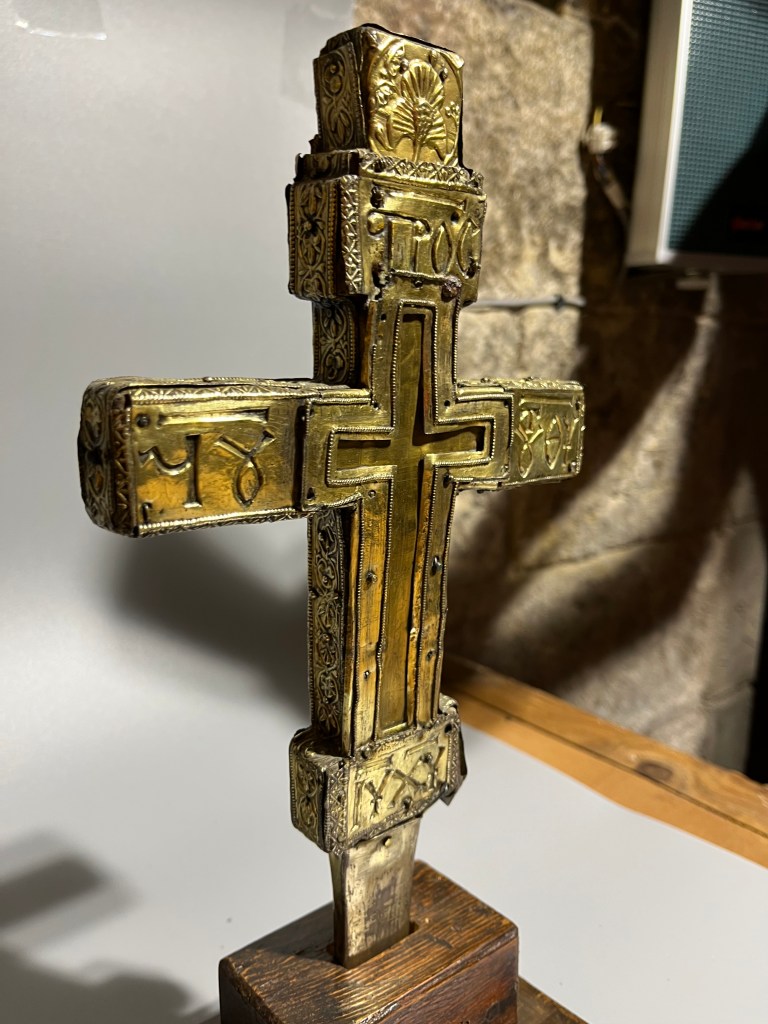
Paper 1: Jordi Teixidó, ‘The Byzantine Cross of Bagà and the First Crusade: Lineage, Relics, and Mythmaking in Catalonia’
Abstract:
This paper examines the history, paleography, and historiographical legacy of the Byzantine Cross of Bagà, an 11th-century silver-gilt reliquary preserved in Catalonia. While traditional scholarship focuses on its artistic value, this study analyzes its connection to the First Crusade and the subsequent mythmaking of the noble Pinós family.
Through a close reading of early 17th-century manuscripts (such as MS 7377, BNE) authored by historian Esteve de Corbera, the paper explores how the Cross was recast as a holy banner gifted by Pope Urban II. According to this local tradition, the Pinós brothers carried the relic during the siege of Jerusalem (1099), entering through St. Stephen’s Gate—an narrative designed to legitimize both the parish’s dedication and the family’s prestige.
Furthermore, the study deconstructs the highly controversial hypothesis present in the family genealogies that identifies “Hugo de Bagà” (Hugo de Pinós) as Hugo de Paganis, the founder of the Knights Templar. By cross-referencing these claims with early Catalan cartularies, the Liber Feudorum Maior, and international sources, the paper assesses the plausibility of Iberian participation in Raymond of Tolosa’s southern army. While contemporary evidence of the Pinós brothers in the First Crusade remains elusive, their early, high-level patronage of the Templar Order is firmly documented. Ultimately, this research demonstrates how physical crusader-era relics were utilized in the early modern period to construct ancestral crusading identities.
About the speaker:
Jordi Teixido is a third-year PhD researcher at the University of Barcelona, studying classical philology. He also works as an IT professional and University management teacher. He completed his UBarcelona Degree in Latin.
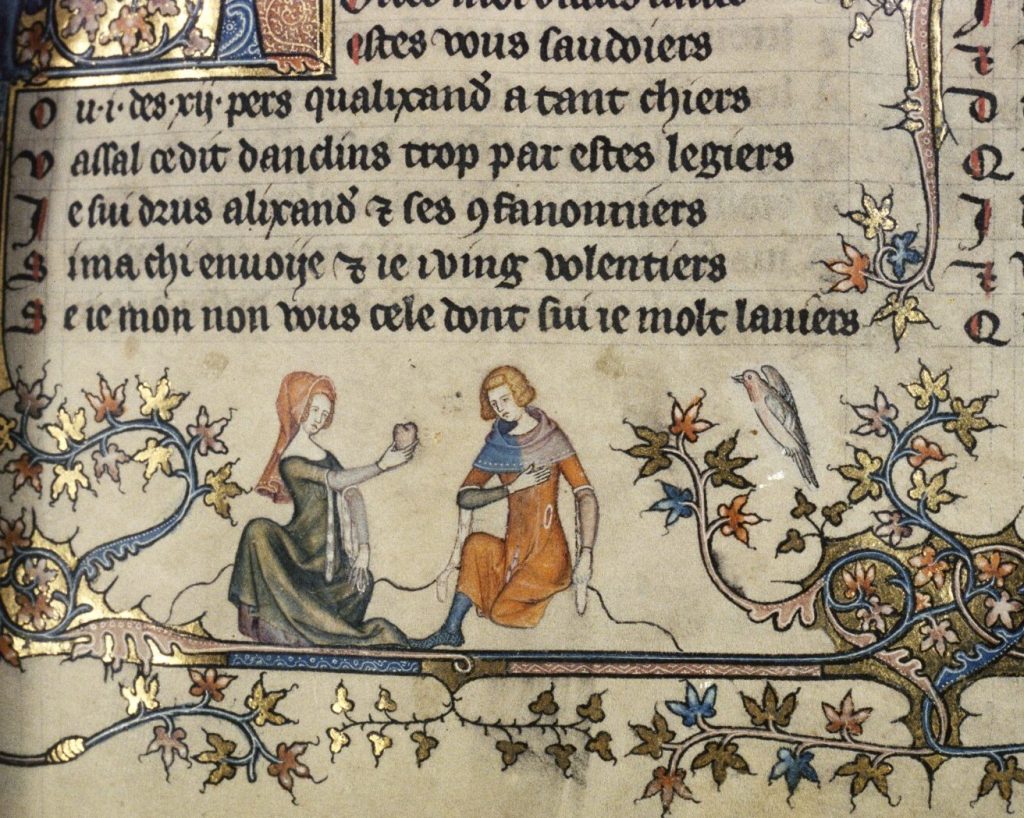
Paper 2: Stephanie Strand, ‘Hearts Turned toward Heaven: An Analysis of Heart Symbolism during the First Crusade‘
Abstract:
“And whatever God has placed within your hearts, that you should do”, states a crusader chronicle, capturing the central role of the heart in the medieval worldview. This paper examines the symbolism of the heart in accounts of the First Crusade (1095-1099) and argues that the heart was fundamental to crusading rhetoric and medieval conceptions of faith, emotion, and identity. While scholarship has traditionally emphasised the political and religious dimensions of the crusades, the heart has received little attention despite its frequent appearance in crusader sources. Based on a close reading of six Latin crusade narratives, this study analyses references to cor (heart) and, where relevant, pectus (chest/heart) to explore how the heart was understood and employed in the chronicles.
The analysis demonstrates that the heart was a multifaceted symbol associated with religious devotion, unity, and emotional experience. Three dominant themes emerged from the sources: first, the “pure heart” represented spiritual repentance and the zeal to undertake the Crusade in accordance with God’s will. Second, the “united heart” underscored the collective identity and solidarity of the crusaders, including their shared faith and purpose. Third, the “emotional heart” reflected the medieval belief that the heart was the centre of emotion and morality, encompassing feelings such as fear, joy, and compunctio.
The paper concludes that crusade chronicles presented the heart as a complex source of motivation and emotion. The heart symbolism reveals how crusaders understood themselves and their mission, offering new insight into the emotional and spiritual dimensions of the First Crusade.
About the speaker:
Stephanie Strand, MA, is a secondary-school teacher of history and religious studies and received an MA in Medieval History from Stockholm University. She is interested in medieval convents, female spirituality, and the history of the senses. Her research was recently published in the Swedish journal Historisk Tidskrift (2026) in the article “Memories from Inside a Convent: Late Medieval Identity and Collective Memory”.


Leave a Reply